MVP Disc Sports
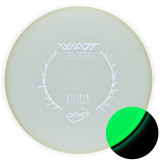
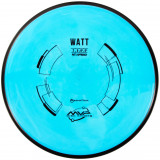
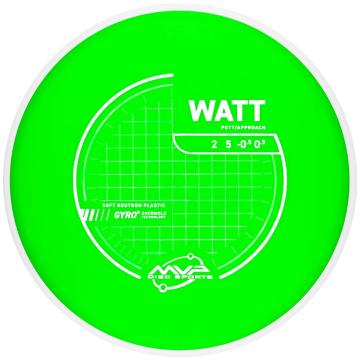
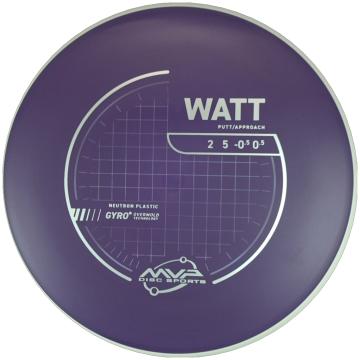
Neutron Watt Dyed
Disc Info
HelpCondition
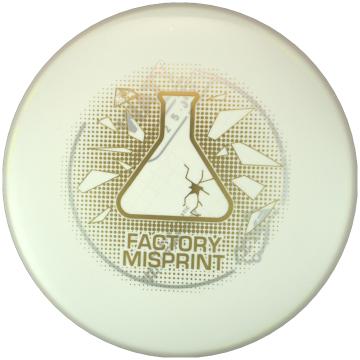
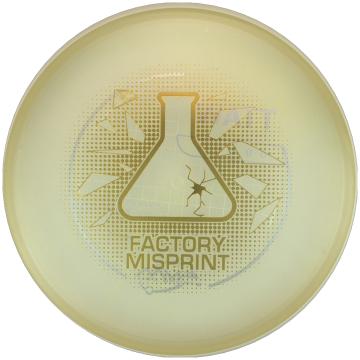
Markings
Product Info
Product description:
MVP Disc Sports Neutron Watt
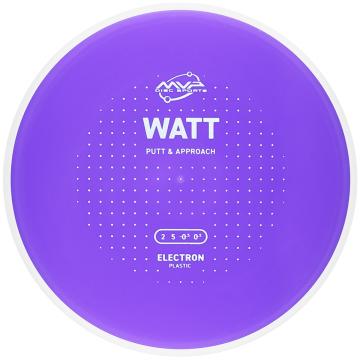
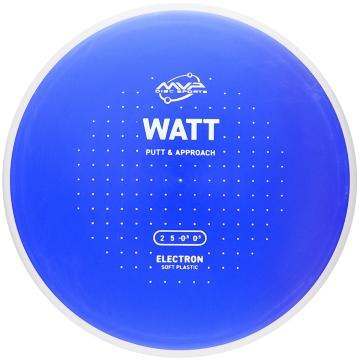
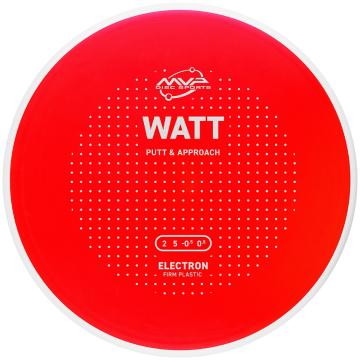
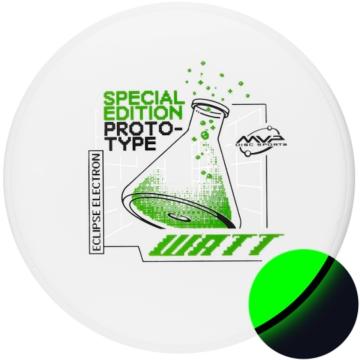
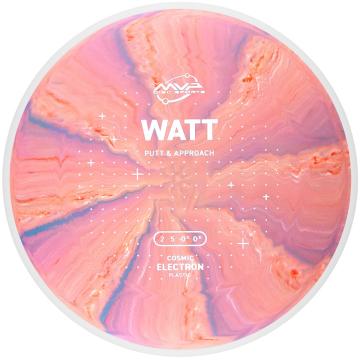
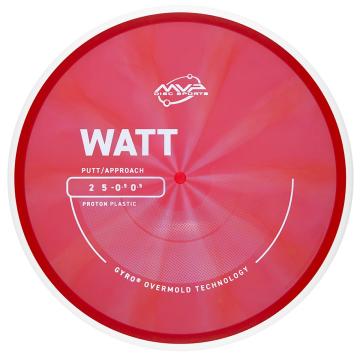
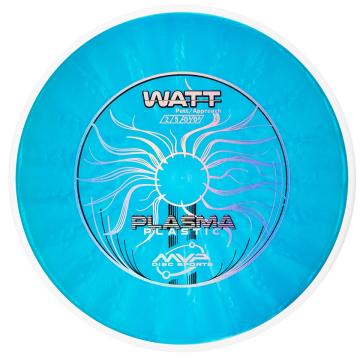
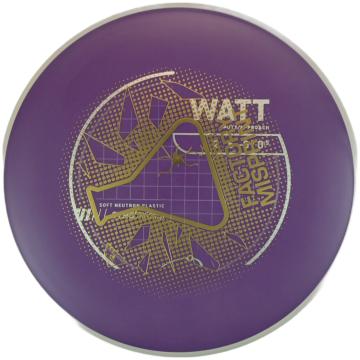
Neutron Watt exceeds expectations of just how much glide a full weight putter can have. Much like its cousins the Ohm and the Pilot, the Watt is a deeper profile putter that is exceptionally workable, producing laser straight lines, beautiful turnovers, and reliable grip for driving. When you’re looking for a neutral to stable putter, try the Neutron Watt!
Plastic:
Neutron
Neutron is MVP's high quality polymer blend that offers a premium look and feel while maintaining the excellent durability of Proton plastic. Neutron is your go-to polymer for continued, reliable performance in all conditions.
Brand:
MVP Disc Sports
MVP Disc Sports originates from Michigan, USA. MVP manufactures discs with a different style compared to others. They create discs using two different plastics, which they have branded as Gyro. The purpose of the dual-plastic disc is to shift the weight to the outer rim, increasing the amount of spin and providing a bit more stability. MVP Disc Sports’ discs are almost always black-rimmed, except for Eclipse and R2-Neutron plastics. MVP's so-called premium plastics include Neutron, Plasma, Proton, Eclipse, Fission, and R2-Neutron. Grippier and faster-wearing base plastics include Electron Soft, Electron, and Electron Firm.
Popular MVP Disc Sports discs include: Ion, Reactor, Relay, Volt, and Photon.
Flight Numbers
The numbers that usually appear on the top of the disc indicate the flight characteristics of the disc. The most commonly used way to tell the flight characteristics is to use four numbers: speed, glide, stability and fade.
Disc Weight
Disc golf discs usually weigh between 140 and 180 grams. The lighter the disc, the less stable it is. Conversely, the heavier the disc, the more overstable it behaves.